Property Team Insight - Boston, MA

Soft Wash vs. Pressure Wash for Commercial Buildings

The right wash method follows the surface, coating, stain, access, water path, and required finish; pressure alone is not a scope of work. For Boston property managers and building engineers, the first step is a property-specific review of surfaces, access, water, drainage, traffic, weather, and the finish the building needs.

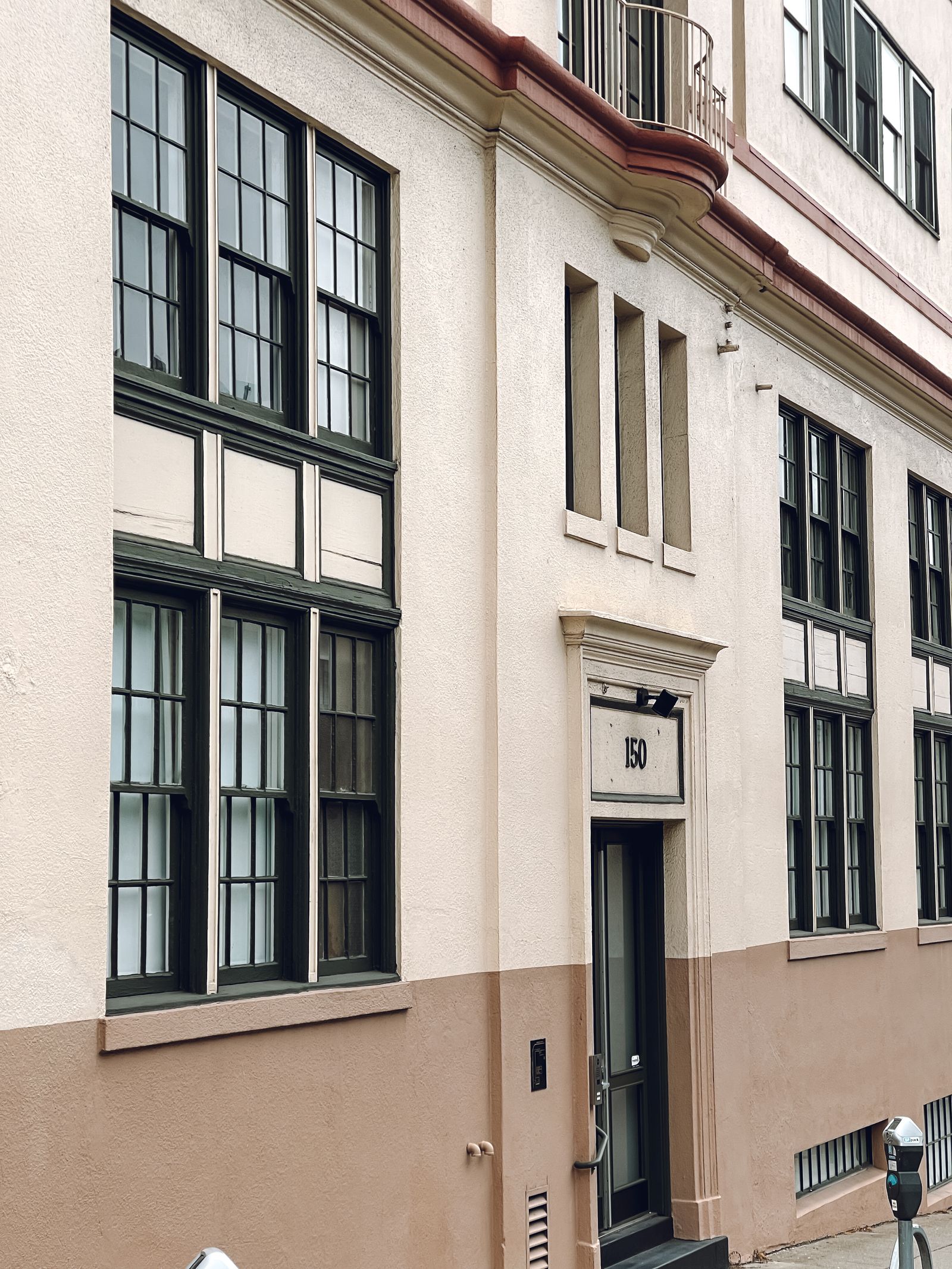
Light-colored masonry office facade with tall windows
Masonry, coatings, sealants, and glazing are evaluated separately during scope development.
Boston Building Care

Start with the substrate

Brick, masonry, EIFS, stucco, metal panels, glass, coatings, sealants, and concrete react differently to pressure, chemistry, dwell time, and rinse volume. A test area helps reveal the actual risk.

Boston Building Care

Match chemistry to the condition

Organic growth, traffic film, mineral deposits, oxidation, construction residue, and graffiti are different problems. The proposal should explain what the selected method can address and what needs specialty or contact restoration.

Boston Building Care

Protect the site while cleaning

A commercial wash plan should show how the crew will manage windows, landscaping, vehicles, pedestrians, doors, drains, neighboring tenants, and any work that must stop when wind or weather changes.

Local Planning Lens

Plan around weather, traffic, and facade condition.

Commercial exteriors in the Northeast can move through pollen, rain, freeze-thaw cycles, and winter residue in the same maintenance year. The site review should connect the desired finish to temperature, access, and the property calendar.

  • Check temperature, wind, and freeze risk before selecting a wash window.
  • Review salt or winter residue around entrances, loading zones, and lower elevations.
  • Coordinate tenant, pedestrian, and parking controls for tighter urban or campus sites.
Next Step

Turn the question into a property-specific scope.

The guide is a starting point. Surface, access, traffic, weather, water, and the required finish determine the right next step for the building.