Start with the material and the condition that is actually present
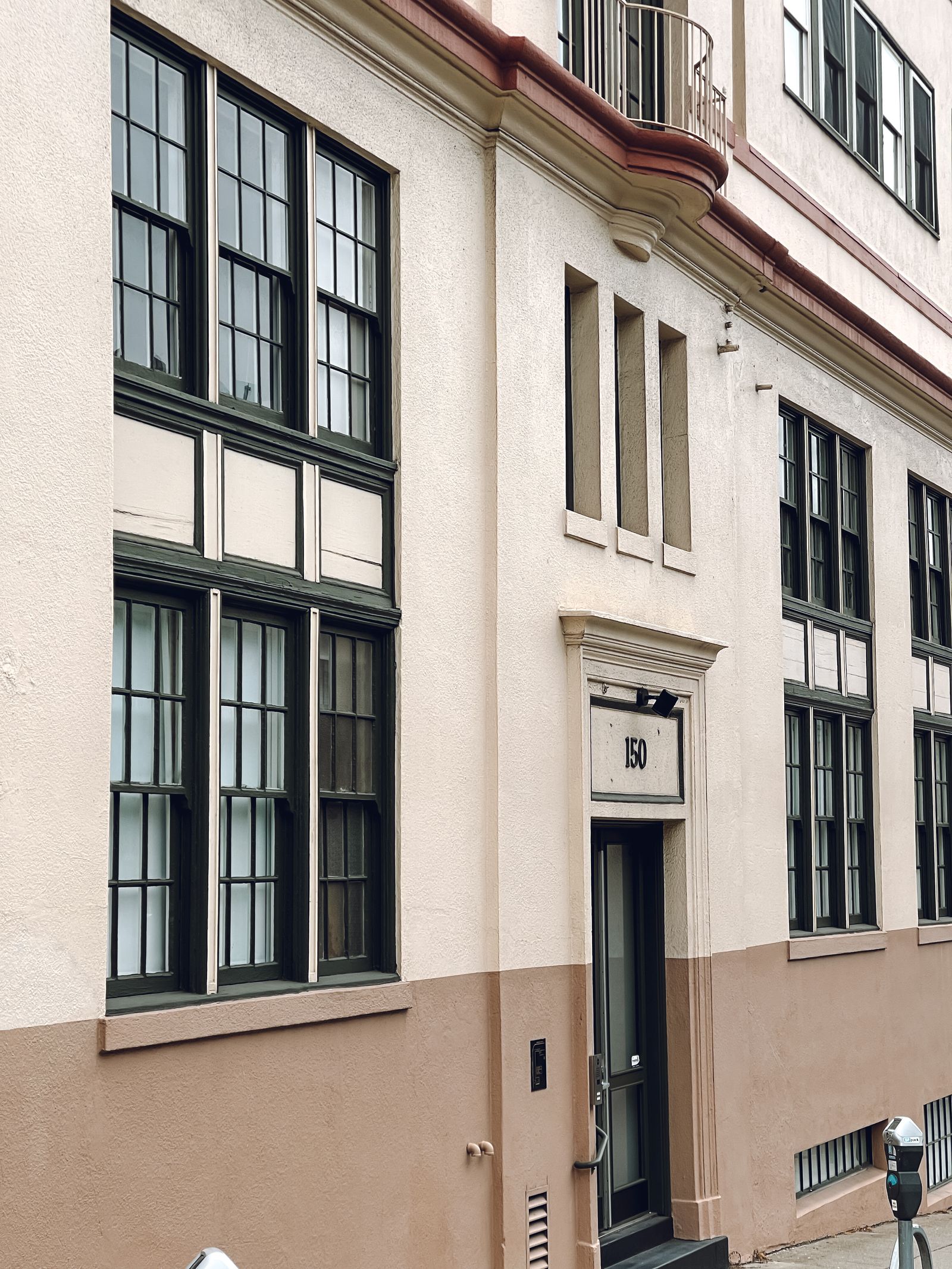
Boston facades often combine multiple generations of construction. Brick and stone may sit beside replacement windows, painted trim, metal panels, sealants, precast additions, or modern storefront systems. Even surfaces that look alike from the sidewalk can react differently because of age, repairs, coatings, porosity, previous cleaning, freeze-thaw exposure, or moisture movement. We identify representative materials and visible conditions before choosing chemistry, pressure, dwell time, rinse volume, or access. A discreet test area is appropriate when the substrate is uncertain, the finish is aged, or the acceptance standard is demanding.
Soft washing can remove compatible surface soil, biological growth, and some atmospheric film. It cannot repair open mortar joints, spalling masonry, loose paint, corroded anchors, failed sealants, cracked panels, active leaks, or efflorescence driven by moisture inside the wall. Dark staining is not always organic growth, and a pale deposit is not always removable dirt. If the observed condition suggests material failure, water entry, or a bonded deposit, we flag it for the appropriate building professional or restoration contractor rather than increasing pressure and hoping it disappears.
- Map brick, stone, precast, stucco, EIFS, metal, painted, and glass zones separately.
- Identify organic soil, traffic film, ledge runoff, mineral deposits, oxidation, and damage before treatment.
- Use a representative test area when compatibility or finish is uncertain.
- Keep repairs, leak diagnosis, coating work, and masonry restoration outside a routine cleaning scope.
Build the scope around Boston's property and street patterns
In Back Bay, Beacon Hill, and the South End, older facades can sit directly against busy sidewalks with projecting bays, stoops, trees, parked vehicles, overhead features, and little staging space. Downtown and the Financial District add office arrivals, loading, narrow corridors, neighboring towers, and wind effects around setbacks. Seaport properties may offer more modern envelopes but still face active public spaces, salt-influenced coastal exposure, events, construction, and limited places to isolate hoses or equipment. Fenway, Longwood, Allston, and Brighton introduce hospitals, universities, laboratories, apartments, hotels, and mixed-use buildings that rarely stop operating for cleaning.
Those conditions change the sequence and sometimes the method. A broad upper wall may support drone-assisted application while the first floor requires direct detailing after pedestrians are rerouted. A courtyard could need a smaller controlled work zone. A hotel entrance may be completed in phases around checkout and arrivals. A medical or laboratory property may require coordination around intakes, sensitive entrances, deliveries, and security. The proposal should show which elevation is handled first, which access points remain open, and what conditions cause work to pause rather than treating the building as an empty shell.
Use drone-assisted cleaning only where the address supports it
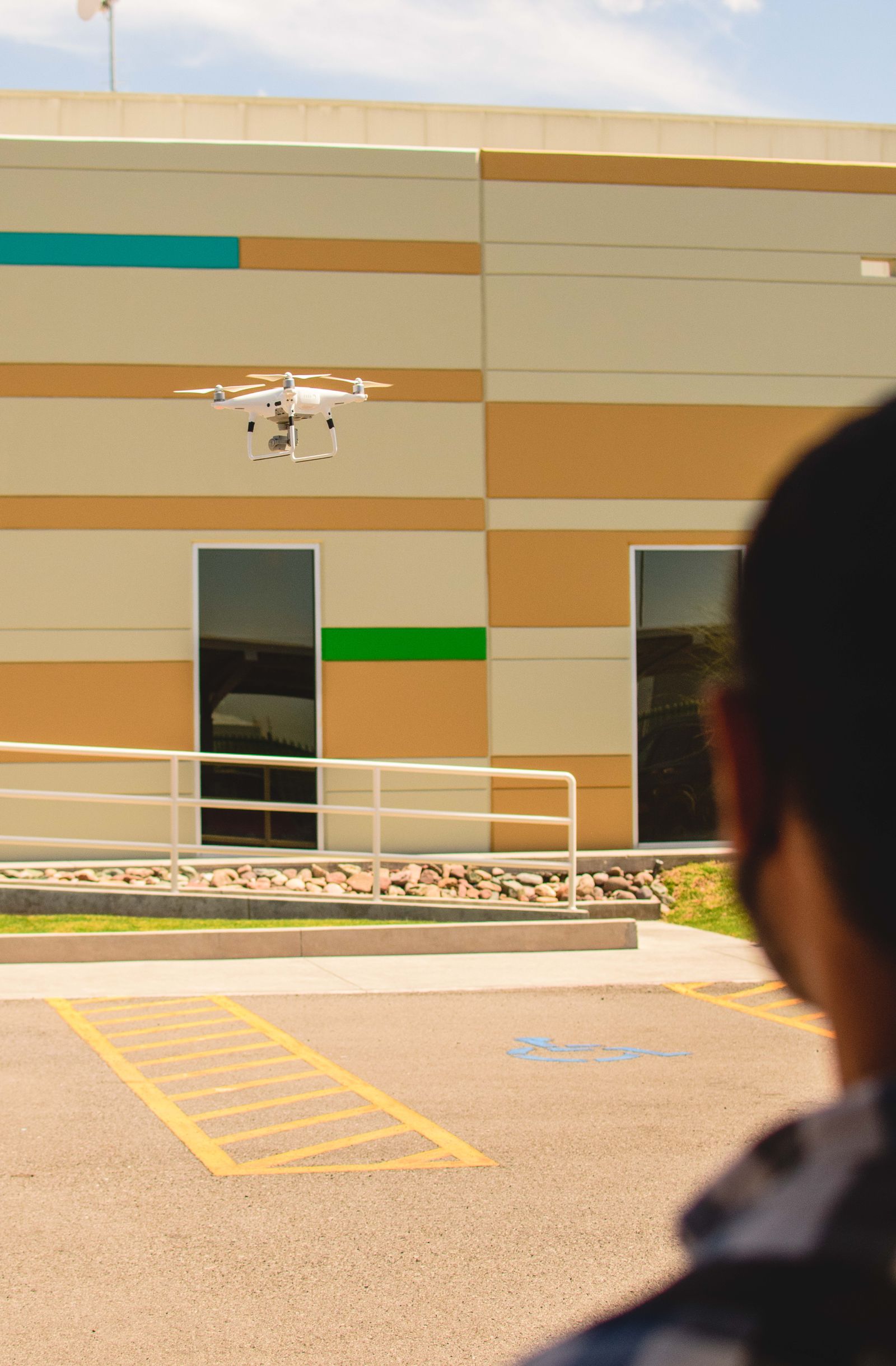
A drone can reduce the need to place people or heavy access equipment at some suitable upper facade zones, but safe feasibility is decided at the site. The review includes airspace, nearby airports and heliports, temporary restrictions, building height and setbacks, wires, rooftop equipment, balconies, neighboring property, launch and recovery space, line of sight, public movement, and the ability to control drift and water below. Boston Logan International Airport and the region's aviation activity make address-level airspace review especially important.
The FAA requires commercial small-drone work to comply with Part 107, and operations in controlled airspace require authorization. Property permission does not replace that authorization. A proposed date can also become unsuitable because of a temporary flight restriction, weather, or a changed ground condition. When drone use is not workable, the honest answer may be a pole system, lift, suspended access, hand cleaning, a hybrid scope, or a different work window. The quote identifies the expected access approach without promising that one tool can reach every architectural detail.
Plan for wind, cold, rain, and the shoulder seasons
Boston weather affects cleaning chemistry, drying, water control, and access. Freezing conditions can create unsafe surfaces and interfere with predictable rinsing. Strong coastal or channelized winds can move mist away from the target and toward windows, pedestrians, vehicles, roofs, or neighboring property. Summer heat and direct sun may shorten dwell time, while shaded walls can remain damp longer. Rain can change runoff paths or make a finish difficult to evaluate. A date on the calendar is therefore a target, not permission to work through unsuitable conditions.
The project plan should include temperature, wind, precipitation, lightning, and surface-condition checkpoints. Spring can be useful for evaluating winter residue and staining after repeated wetting and deicing activity. Fall work may prepare guest-facing and commercial properties before colder weather narrows the window. The best timing still depends on facade material, exposure, occupancy, and the current condition. The field lead needs authority to change elevation, reduce the work zone, or stop when conditions no longer match the plan.
Control pedestrians, entrances, water, and the handback
Boston commercial buildings often place the cleaning area directly over the public realm. A workable scope identifies sidewalk boundaries, accessible routes, doors, loading points, outdoor dining, transit interfaces, parked vehicles, landscaping, electrical features, air intakes, drains, and low points before water starts moving. Controls may include spotters, cones or barriers, protected hose crossings, phased entrances, tenant notices, and coordination with building engineering or security. The exact setup depends on the property and any permissions required for public-space use.
Wash water also needs an intentional path. Massachusetts guidance for pressure-wash water warns that common discharge practices can be prohibited or require permitting, and local drainage conditions vary. The plan should identify visible drains and receiving areas, product information, expected soil load, containment or recovery needs, and who confirms the approved disposition. We do not assume that water can be pushed to the nearest catch basin. At completion, each zone should be rinsed as scoped, obvious controls removed, walking surfaces left usable, and any deferred or unresolved condition documented.
- Confirm active entrances, accessible paths, deliveries, loading, and emergency access.
- Locate drains, low points, neighboring property, intakes, and sensitive landscape areas.
- Protect hose crossings and define who can pause work when the public enters the zone.
- Document completed, deferred, and restoration-recommended areas before handback.
Request a quote that describes an outcome instead of a vague building wash
A useful proposal names the elevations, materials, visible soil, included features, proposed methods, intended finish, exclusions, water assumptions, operating window, public controls, weather limits, and closeout record. It should distinguish broad facade washing from detailed glass cleaning, mineral removal, graffiti treatment, coating work, masonry restoration, and repairs. It should also explain where drone-assisted application is expected to add value and where direct access is likely to remain necessary.
Send the Boston property address, recent exterior photographs, approximate height, priority elevations, known materials, preferred dates, tenant or guest restrictions, water-access information, and any available facade drawings or prior cleaning notes. Include close photographs of the conditions causing concern and wider views showing sidewalks, setbacks, rooflines, entrances, and adjacent buildings. We can then determine whether a site review or test area is needed and prepare a quote for a one-time appearance reset, phased priority work, or recurring exterior maintenance.